
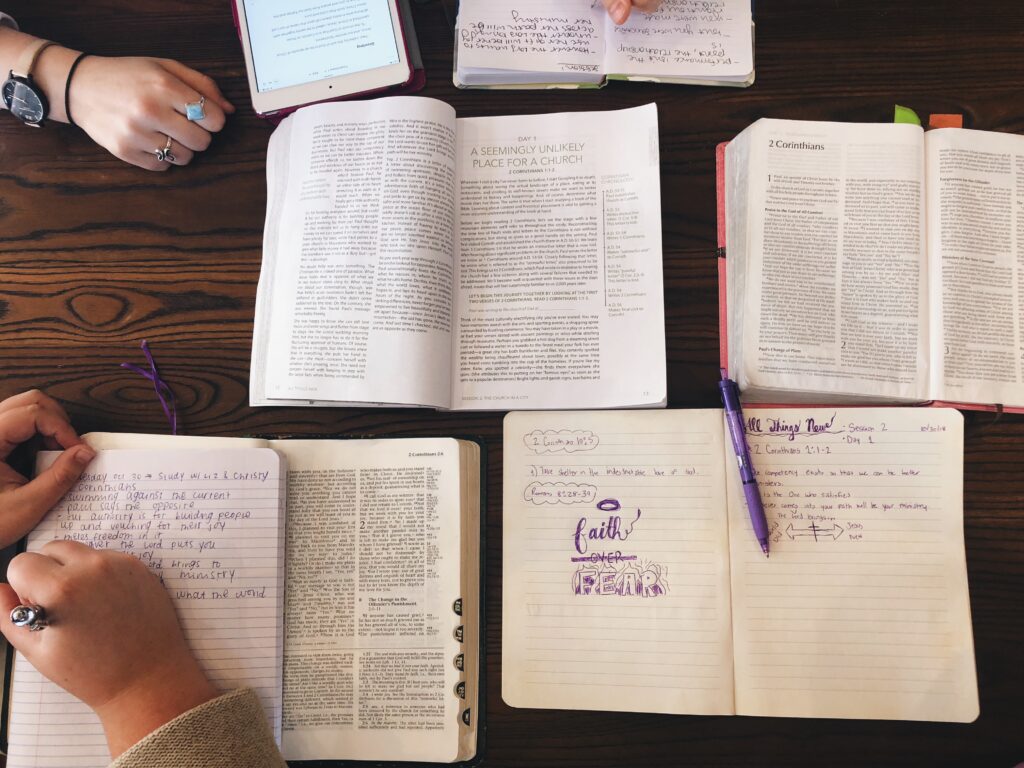
Welcome to Roots + Roads! You may be thinking, ” Where is the ‘Welcome Post’ or ‘Introduction?” However, I believe we are past the formalities. This is also not about me, and I pray it never will be. I thought it would only be appropriate to dive into my thoughts on what I believe biblical worship is, seeing as this is what I desire Roots + Roads to be…. Lord, may this be a sweet and pleasing aroma of my worship that honors and glorifies you and is for you, only you. Here’s my heart, my mind, my soul, and all of my strength. Amen.
“May the words of my mouth and the meditation of my heart be acceptable to you, LORD, my rock and my Redeemer.” -Psalm 19:14
What is biblical WORSHIP?
Let us begin by trying to define biblical worship. We are definitely starting strong, aren’t we? In case you didn’t know, there are many ways to define this deceptively simple term. I can start listing definitions from theologians, authors, or countless quotes from my professors (which I did sift through, by the way). No need to get into the grit of it now, as this is not a theology of worship course. I will say that I believe worship is our full life response to who God is, what He has done, and what He will continue to do. Now, our responses may not always match our thoughts and desires. However, I believe that we as God’s creation and image bearers must respond to who He is and all that He has revealed to us in a manner that is pleasing and honoring to Him because He is worthy and Holy God. Our worship and offering of praise to God must be rooted in His Word. The apostle John introduces his book with this,“In the beginning was the Word, and the Word was with God, and the Word was God. He was with God in the beginning. All things were created through him, and apart from him not one thing was created that has been created.” How are we to worship in any way that is not informed by or does not correlate with the One who, apart from him, is nothing…? Fun fact: We cannot and should not even try.
Shachah (שָׁחָה)
If you want to get technical and dive deeper into one of the fundamental terms for worship throughout the scriptures, let us look at the Old Testament. One of many Hebrew terms for worship is shachah. The verb is a word of action that means to bow or to prostrate oneself. Shachah is found in approximately 166 verses in the Bible. Many examples fill the pages of the Old Testament demonstrating this term, such as Abraham in Genesis, Moses in Exodus, and King David in the Psalms. However, let us challenge ourselves a little and explore beyond the same pages of Scripture we are accustomed to reading (I am just being honest here).
I am currently reading through Isaiah and going back through the early kings of Israel and Judah. Talk about taking a peek into the heart of humanity and the heart of God during those times! After reading about failed and sinful kings one after the other, I finally got to some “good” ones. Jehoshaphat became the king of Judah after his father, King Asa, and reigned for 25 years. Scripture tells us, “He walked in all the ways of his father Asa; he did not turn away from them but did what was right in the Lord’s sight.” (1 Kings 22:43) When you read that sentence when introducing a new king, you can write a check mark, and I usually give a sigh of relief, FOR A MOMENT. Anyways, a war was about to break out between the Moabites and the Ammonites against Judah and King Jehoshaphat, and he was afraid (2 Chronicles 20). Jehoshaphat sought the Lord and prayed, Guess what…God answered! God reassured Jehoshaphat that 1) the battle was not his but the LORD of Armies, Jehovah Sabaoth, and 2) the LORD was with him. Jehoshaphat’s response to what God had revealed to him was not just silent acceptance. Jehoshaphat responded in active worship, falling face down to the ground, with all of Judah imitating him and doing the same before Yahweh. The word for worship in this passage is shachah. Along with bowing before the Lord, they also stood right back up and shouted praise to the God of Israel. The next day, when preparing for battle, 2 Chronicles 20: 21 tells us, “...he consulted with the people and appointed some to sing for the LORD and some to praise the splendor of his holiness. When they went out in front of the armed forces, they kept singing: Give thanks to the LORD, for his faithful love endures forever.” Who God is and what He does commands a response. One of my dear mentors has said, “Worship needs a reason; if not, it’s empty.” WE HAVE MORE THAN A REASON. It is embedded deep within us and all of creation. The angels cry, “Holy, holy, holy is the LORD of Armies; his glory fills the whole earth.” (Isaiah 6:3). In Revelation they cry out, “Holy, holy, holy, Lord God, the Almighty, who was, who is, and who is to come.” Sound familiar? Almighty God, and having an honest and true relationship with Him constitutes our reason to say, pray, think, sing, or cry, “Holy, holy, holy…’
Head, Heart, & Hands
Scripture commands believers to “Love the LORD your God with all your heart, with all your soul, and with all your strength.” (Deut. 6:5). This is worship. After reading through more Scripture, we find out we need to love him with our minds also. Our acts of worship (whether individually or communally) include all that we are: our heads, our hands, and our hearts. Our worship should be intentional and deeply rooted in rich theology, built on the truths of God’s Word (head). We are also to love God with our thoughts, even the ones you try to hide or the ones that sneak in to tear you apart. We must love God with our mind and recognize that the beginning of wisdom comes from a humble fear of the Lord. As we continue to know God, we come to love him more and more. Our affections towards God and interactions with him are shaped by our theology and beliefs about our Lord (heart). Our love for Christ is also displayed in how we love, honor, and serve others. Last but not least, as we worship, we respond in surrender and postured obedience (hands). Worship is loving God through the outpouring of our affections, gratitude, obedience, and faith in Yahweh. This command in Deuteronomy reveals to us that worship and loving God are multidimensional and interwoven within our beings.
More than music?
Nowadays, we are led to believe that worship may only constitute music, right? We sing through times of “praise and worship” or listen to “worship” music, sure. We follow our “worship” pastors, ministers, associates, and directors as they lead us in congregational singing. Those things are not inherently bad or wrong. If the principle of worship solely revolves around music, then I believe we have significantly missed the target. Listen, I have devoted my life to studying worship THROUGH church music, so I know it can be cloudy sometimes. Worship is way, way more than just music. One of my professors has said, “Worship is based on the depths of a relationship with God.” To know God is to love him. As we grow in knowledge and love for our Creator and Savior, we must worship…we should WANT to worship. Our lives are presented as“a living sacrifice, holy and pleasing to God; this is your true worship.” (Romans 12:1) You may still be wondering, “Well, what IS worship, then?” You may be thinking about how we worship and other factors. Let’s continue wandering into other questions, and I promise, we will get there.
Blessings and Peace. Your friend, Christy. ♥
Let us continue WANDERING!
This blog is an invitation to wander with intention and return with something meaningful: a story, a question, a spark, or a little more wonder than you had before. Whether you are deeply rooted, always in motion, or learning how to be both, I am glad you are here.
What a wonderful first post, girl! I love how you rooted everything in Scripture and reminded us that worship is so much more than music…it’s a life surrendered to Christ. Thank you for sharing your heart. I’m looking forward to the next post!
Amen, to a life surrendered to Christ! Thanks, girl.
“This command in Deuteronomy reveals to us that worship and loving God are multidimensional and interwoven within our beings.”
Love this! Excited about this blog!
Thank you! I am excited for all the Lord will continue to teach us!
Great work Christy! Can’t wait to glean more!
Thank you! Cannot wait to do it together.